British vs American Date Format: The Complete Comparison
British English uses day-month-year (13/04/2026) while American English uses month-day-year (04/13/2026). Learn the full differences in format, punctuation, and spoken dates.
Quick answer
British English writes day-month-year: 13 April 2026 or 13/04/2026. American English writes month-day-year: April 13, 2026 or 04/13/2026. The order is reversed, which makes numeric dates like 03/04/2026 ambiguous (March 4 in the US, 3 April in the UK).
The United States and the United Kingdom write dates in opposite order. Americans write the month first (04/13/2026), while the British write the day first (13/04/2026). This difference causes real confusion — especially with dates like 03/04/2026, which means March 4 in the US but 3 April in the UK.
This guide explains exactly how date formats differ between British and American English, why they're different, and how to avoid mix-ups.
The Core Difference at a Glance
| British English | American English | |
|---|---|---|
| Order | Day – Month – Year | Month – Day – Year |
| Written | 13 April 2026 | April 13, 2026 |
| Numeric | 13/04/2026 | 04/13/2026 |
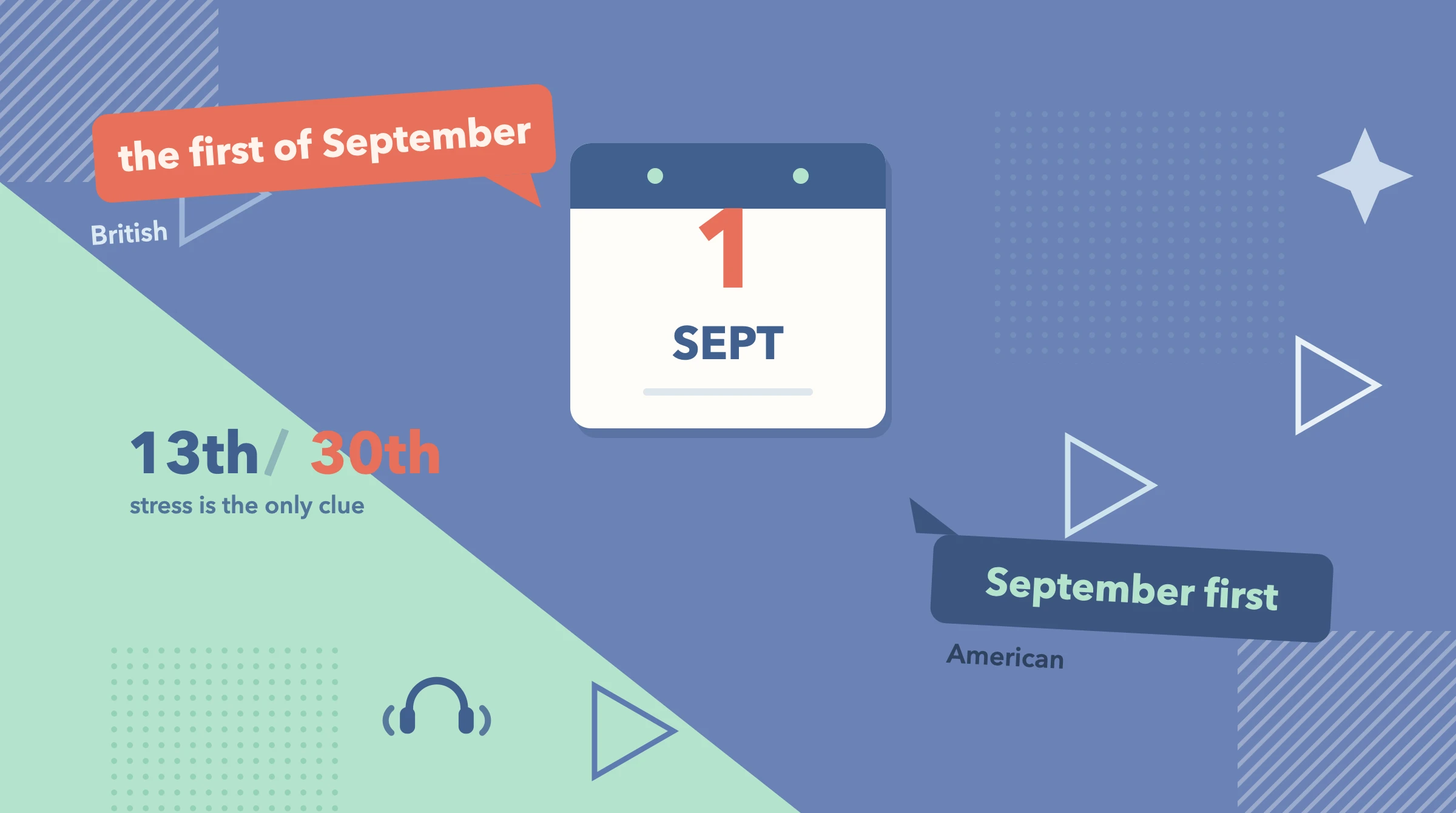
| Spoken | "The thirteenth of April" | "April thirteenth" |
| Comma | No comma | Comma between day and year |
British Date Format in Detail
The British format follows a smallest-to-largest order: day (smallest unit), then month, then year (largest unit). This is the same order used in most countries worldwide.
Written Format
- Full: 13 April 2026
- Abbreviated: 13 Apr 2026
- With day name: Sunday, 13 April 2026
- Numeric: 13/04/2026 or 13.04.2026
Punctuation Rules
British dates use no commas:
"The meeting is on 13 April 2026 at 3 PM." (no comma after year)
"On 13 April 2026 the project launched." (no comma after year)
American Date Format in Detail
The American format puts the month first, matching the way Americans speak dates aloud ("April thirteenth").
Written Format
- Full: April 13, 2026
- Abbreviated: Apr 13, 2026
- With day name: Sunday, April 13, 2026
- Numeric: 04/13/2026
Punctuation Rules
American dates use commas between the day number and the year, and after the year when mid-sentence:
"The meeting is on April 13, 2026, at 3 PM." (comma after year)
"On April 13, 2026, the project launched." (comma after year)
Why Are They Different?
There's no definitive historical reason, but the American convention likely evolved from the spoken form. Americans say "April thirteenth," so they write "April 13" — matching speech order. British English retained the day-first order used across Europe, which follows a logical smallest-to-largest progression.
Which Countries Use Which Format?
| Format | Countries |
|---|---|
| Day–Month–Year | UK, Australia, India, most of Europe, South America, Africa, Asia |
| Month–Day–Year | United States, Philippines, Palau, Micronesia |
| Year–Month–Day (ISO 8601) | Japan, China, Korea, Hungary, Lithuania, Iran (also used internationally in science and technology) |
The vast majority of the world uses day-month-year. The US month-day-year format is the exception, not the rule.
The Ambiguity Problem
Numeric dates can be dangerously ambiguous. Consider "03/04/2026":
| Interpretation | Format | Date |
|---|---|---|
| American | MM/DD/YYYY | March 4, 2026 |
| British | DD/MM/YYYY | 3 April 2026 |
How to avoid confusion:
- Write the month name: "3 April 2026" or "March 4, 2026" — no ambiguity
- Use ISO 8601 format: 2026-04-03 — internationally understood
- Dates where the day is greater than 12 (like 15/04/2026) are unambiguous — but don't rely on this
Quick Comparison Summary
| Scenario | British | American |
|---|---|---|
| Full date | 13 April 2026 | April 13, 2026 |
| With day name | Sunday, 13 April 2026 | Sunday, April 13, 2026 |
| Numeric short | 13/04/2026 | 04/13/2026 |
| In a sentence | on 13 April 2026 | on April 13, 2026, |
| Month and year only | April 2026 | April 2026 |
| Spoken | "the thirteenth of April" | "April thirteenth" |
For more details on all English date formats including formal writing, ordinal numbers, and abbreviations, see our complete guide to writing dates in English.
How This Sounds in Spoken English
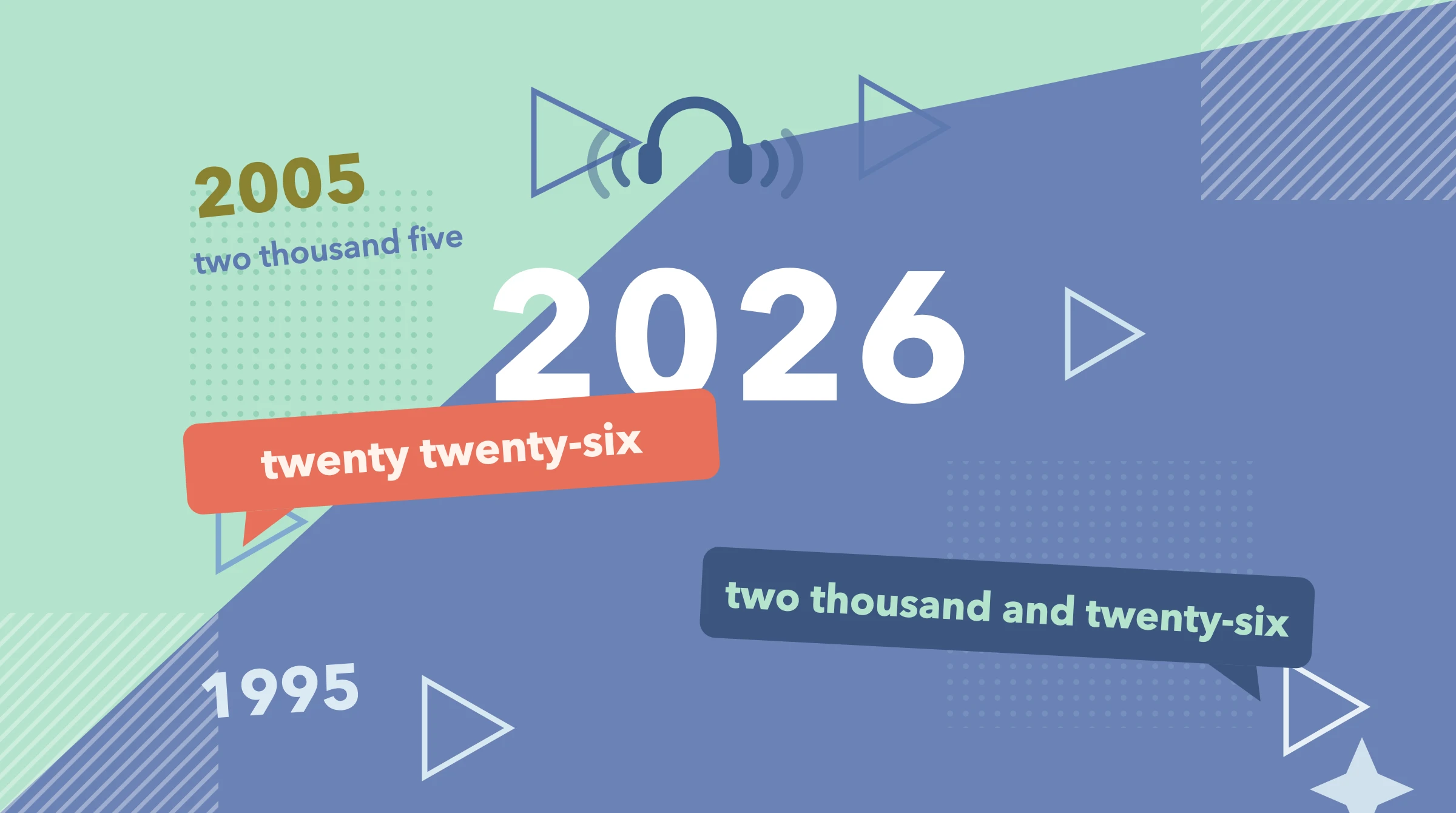
The British and American date difference is not just visual — it changes what you hear. An American speaker will say "April thirteenth," while a British speaker will say "the thirteenth of April." If you are listening to English in a work meeting, a podcast, or an exam, you need to recognise both patterns quickly.
The spoken difference matters most in fast conversation. When someone says a date once and moves on, you need to catch both the day number and the month — in whichever order the speaker uses. Our date listening practice guide covers both British and American patterns with audio examples.